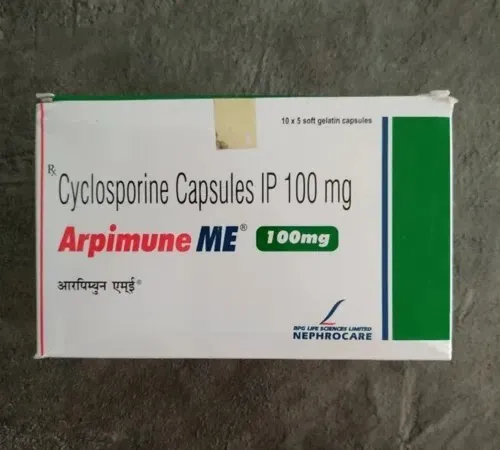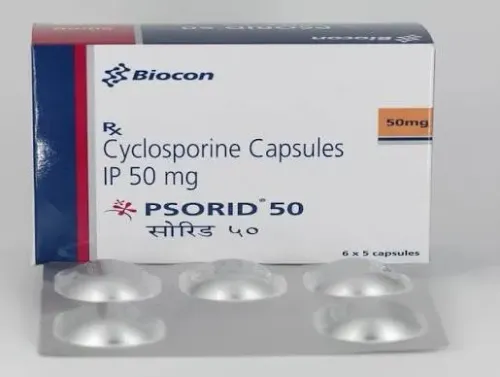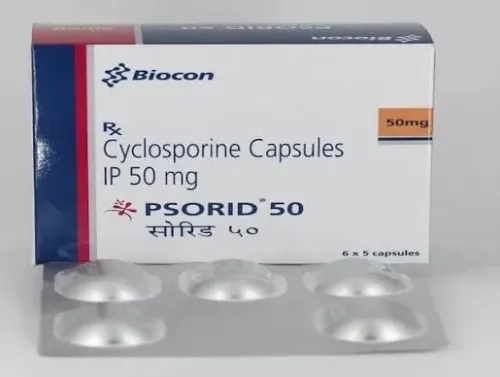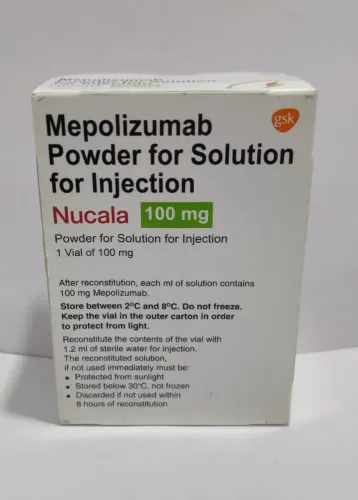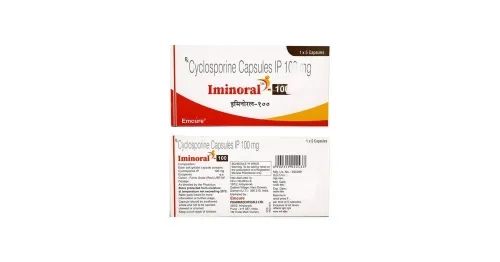
Immunosuppressants are a group of medicines that reduce or regulate the activity of the immune system. They are primarily used to prevent rejection of transplanted organs or tissues and to manage certain autoimmune and inflammatory conditions, where the immune system mistakenly attacks healthy tissues. Common classes include calcineurin inhibitors such as cyclosporine and tacrolimus, corticosteroids, antimetabolites such as mycophenolate, mTOR inhibitors, JAK inhibitors, and biologic immunosuppressive agents. Key Details Category: Immunosuppressants / Immunosuppressive Agents Primary Use: Organ-transplant rejection prevention Other Uses: Selected autoimmune and inflammatory disorders Examples: Cyclosporine, tacrolimus, mycophenolate, sirolimus, prednisone Common Concern: Increased susceptibility to infections; some medicines also require monitoring of blood levels, kidney function, blood pressure, or other parameters. Website Category: Immunosuppressants → Transplant Medicines / Autoimmune & Inflammatory Medicines
USA
+918265041513
 Chat with us
 Chat with us