Singapore
+918265041513
+918265041513

Products

68179d65be22ee500d53ff54 Card 2

product image
non-steroidal anti-androgens

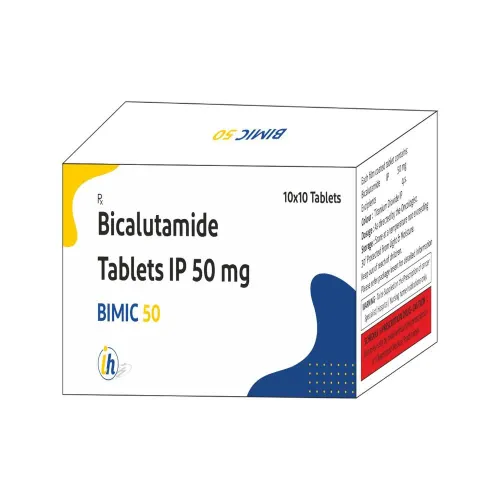
Bicalutaz Tablet contains Bicalutamide, a non-steroidal anti-androgen (NSAA) medicine primarily used in the treatment of prostate cancer. It works by blocking the action of male hormones (androgens), especially testosterone, which can stimulate the growth of prostate cancer cells. Generic Name: Bicalutamide Therapeutic Category: Anti-androgen / Hormonal Cancer Therapy Uses: Bicalutaz Tablet is used for: Treatment of prostate cancer Management of advanced or metastatic prostate cancer Often used along with LHRH (luteinizing hormone-releasing hormone) agonist therapy to reduce androgen stimulation of cancer cells How It Works: Bicalutamide blocks androgen receptors on prostate cancer cells. By preventing testosterone and other male hormones from activating these receptors, it helps slow down the growth and spread of androgen-dependent prostate cancer cells. Key Benefits: Helps reduce the effect of testosterone on prostate cancer cells Supports hormonal therapy for prostate cancer management May help control disease progression in hormone-sensitive prostate cancer Common Strengths Available: Bicalutamide 50 mg Tablet Bicalutamide 150 mg Tablet Common Side Effects: Possible side effects may include: Hot flashes Breast tenderness or enlargement Reduced sexual desire Fatigue Nausea Changes in liver function tests

68179d65be22ee500d53ff54 Card 2

product image
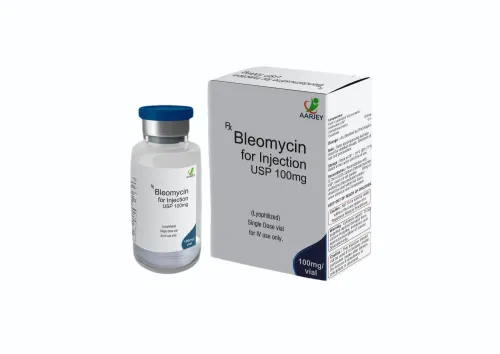
Zuvius Lifesciences Bleoz)

Bloez Injection contains Bleomycin, an antineoplastic (anti-cancer) medication belonging to the class of glycopeptide antibiotics. It works by interfering with the DNA synthesis of cancer cells, causing DNA damage and preventing cancer cell growth and multiplication. Uses / Indications Bloez (Bleomycin Injection) is used in the treatment of various cancers, including: Hodgkin’s lymphoma Non-Hodgkin’s lymphoma Testicular cancer Squamous cell carcinoma of the skin, head, neck, cervix, and other areas Certain other cancers as recommended by an oncologist How It Works Bleomycin generates free radicals that damage the DNA of rapidly dividing cancer cells. This action slows or stops the growth of cancer cells, helping control tumor progression. Key Features Active Ingredient: Bleomycin Dosage Form: Injection Therapeutic Class: Antineoplastic / Chemotherapy Agent Administration: Given by intravenous (IV), intramuscular (IM), subcutaneous, or other routes as directed by a qualified healthcare professional Common Side Effects Possible side effects may include: Fever and chills Nausea or vomiting Loss of appetite Skin changes or rash Mouth sores Fatigue Hair thinning or hair loss Lung-related side effects such as cough or breathing difficulty (requires medical attention) Important Safety Information Bleomycin should only be used under the supervision of an experienced oncologist. Lung function monitoring may be required during treatment due to the risk of bleomycin-associated pulmonary toxicity. Dose adjustments may be necessary based on age, kidney function, and overall health condition. Not intended for self-administration.

68179d65be22ee500d53ff54 Card 2

product image
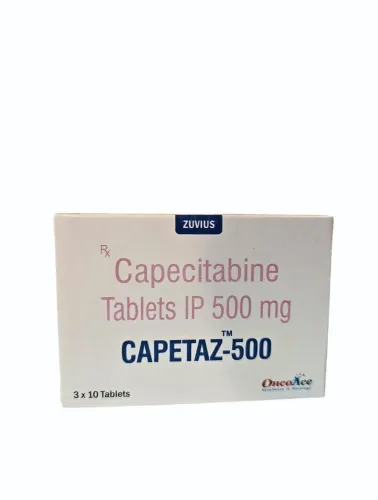
anti-neoplastic (anticancer)

Capetaz Tablet 500 mg contains Capecitabine 500 mg, an oral chemotherapy medicine belonging to the class of antineoplastic (anticancer) agents. It is a prodrug that is converted inside the body into 5-Fluorouracil (5-FU), which works by interfering with cancer cell growth and DNA synthesis. Uses & Indications Capetaz 500 mg is primarily used in the treatment of: Breast Cancer Colorectal Cancer (Colon & Rectal Cancer) Stomach/Gastrointestinal Cancers Other cancers as prescribed by an oncologist How It Works Capecitabine is absorbed orally and converted into 5-Fluorouracil (5-FU), which blocks the formation of genetic material required for cancer cell multiplication. This helps slow down or stop tumor growth. Key Features Generic Name: Capecitabine Strength: 500 mg Dosage Form: Film-coated tablet Therapeutic Category: Anticancer / Chemotherapy Medicine Route of Administration: Oral Common Side Effects Possible side effects may include: Nausea and vomiting Diarrhea Loss of appetite Abdominal discomfort Weakness or fatigue Mouth sores Low blood cell counts (increased infection risk) Hand-foot syndrome (redness, pain, or peeling of palms and soles) Important Safety Information Use only under the supervision of a qualified oncologist. Regular blood tests may be required to monitor blood cell counts and organ function. Inform your doctor about kidney problems, liver problems, or other medicines being taken. Not recommended during pregnancy or breastfeeding unless specifically advised by a doctor.

68179d65be22ee500d53ff54 Card 2

product image
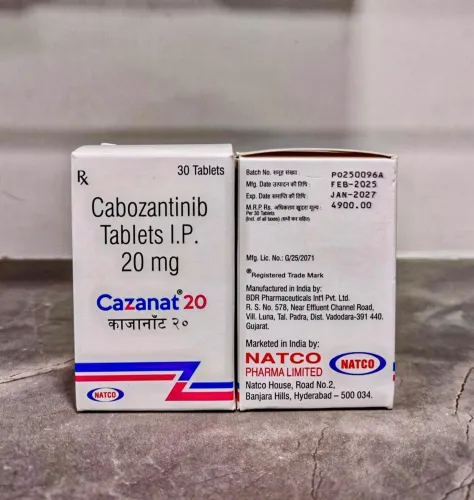
tyrosine kinase inhibitors (TKIs) and antineoplastic (anti-cancer) drugs

Cazonib (Cabozantinib Tablets) is an anti-cancer medication containing Cabozantinib, a targeted therapy used in the treatment of certain types of advanced cancers. Cabozantinib belongs to a class of medicines called tyrosine kinase inhibitors (TKIs), which work by blocking specific proteins involved in cancer cell growth, spread, and the formation of new blood vessels that supply tumors. Active Ingredient: Cabozantinib Therapeutic Category: Targeted Cancer Therapy / Tyrosine Kinase Inhibitor Uses: Cazonib (Cabozantinib) is commonly prescribed for: Advanced Renal Cell Carcinoma (Kidney Cancer) Hepatocellular Carcinoma (Liver Cancer) after prior therapy in eligible patients Medullary Thyroid Cancer that has spread or cannot be treated with surgery How Cabozantinib Works: Cabozantinib blocks multiple receptor tyrosine kinases, including VEGFR, MET, and AXL pathways, which play important roles in tumor growth, cancer cell survival, and blood vessel formation. By inhibiting these pathways, it helps slow cancer progression. Available Strengths: Cabozantinib 20 mg Tablets Cabozantinib 40 mg Tablets Cabozantinib 60 mg Tablets Key Benefits: βœ” Targeted treatment approach for advanced cancers βœ” Helps slow tumor growth and progression βœ” Used in cancers where specific growth pathways are active Common Side Effects: Fatigue and weakness Diarrhea Loss of appetite Nausea or vomiting Mouth sores Weight loss Changes in taste Increased blood pressure Hand-foot skin reactions Important Information: Cazonib should be taken only under the supervision of an oncologist or qualified healthcare professional. Dose adjustments may be required depending on tolerance and medical condition. Regular monitoring of blood pressure, liver function, and overall health is recommended during

68179d65be22ee500d53ff54 Card 2

product image
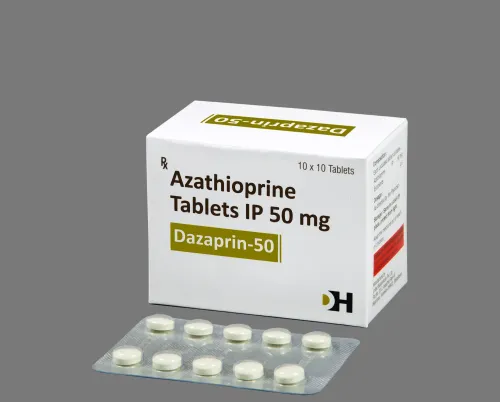
Zuvius Life Sciences

Azath (Azathioprine Tablet) contains Azathioprine, an immunosuppressive medicine used to reduce the activity of the body's immune system. It is commonly prescribed to prevent organ transplant rejection and to manage various autoimmune disorders, including rheumatoid arthritis, inflammatory bowel disease (Crohn's disease and ulcerative colitis), lupus, autoimmune hepatitis, and certain skin disorders. Azathioprine helps control inflammation and prevents the immune system from attacking healthy tissues. Azath tablets should only be taken under the supervision of a qualified healthcare professional. Regular blood tests are essential during treatment to monitor blood cell counts and liver function, as the medicine may increase the risk of infections and other side effects. Key Benefits Helps prevent organ transplant rejection. Reduces inflammation in autoimmune diseases. Controls symptoms of rheumatoid arthritis. Supports long-term management of Crohn's disease and ulcerative colitis. Decreases the need for long-term corticosteroid therapy in some patients. Uses of Azath (Azathioprine Tablet) Organ transplant rejection prevention Rheumatoid arthritis Crohn's disease Ulcerative colitis Systemic lupus erythematosus (SLE) Autoimmune hepatitis Autoimmune skin disorders How It Works Azathioprine is converted in the body into active metabolites that suppress the production and activity of immune cells. This reduces the immune response, helping prevent tissue damage caused by autoimmune diseases and reducing the risk of organ rejection after transplantation. Dosage & Administration Take exactly as prescribed by your healthcare provider. Swallow the tablet whole with water, preferably after food to reduce stomach upset. Take it at the same time each day. Do not stop treatment without medical advice. Possible Side Effects Common side effects may include: Nausea or vomiting Loss of appetite Mild stomach discomfort Increased susceptibility to infections Fatigue Temporary hair thinning Seek immediate medical attention if you experience persistent fever, unusual bleeding or bruising, severe abdominal pain, yellowing of the skin or eyes, or signs of a serious infection. Precautions Regular blood tests are required during treatment. Inform your doctor if you have liver disease, kidney disease, or an active infection. Avoid live vaccines unless advised by your healthcare provider. Use effective contraception during treatment if recommended. Inform your healthcare provider about all medications you are taking, as Azathioprine has significant drug interactions.

68179d65be22ee500d53ff54 Card 2

product image
antineoplastic agents

Aspraginaz-L (L-Asparaginase Injection) is an anticancer medicine containing L-Asparaginase, an enzyme used as part of combination chemotherapy for the treatment of certain blood cancers, particularly Acute Lymphoblastic Leukemia (ALL) and Lymphoblastic Lymphoma (LBL). It works by breaking down the amino acid L-asparagine, which leukemia cells need for growth and survival. By depleting this essential amino acid, the injection helps stop the growth of cancer cells while allowing normal cells to recover. Key Benefits Helps treat Acute Lymphoblastic Leukemia (ALL). Used in the management of Lymphoblastic Lymphoma (LBL). Reduces the growth and spread of leukemia cells. Commonly administered as part of multi-drug chemotherapy regimens. Suitable for both pediatric and adult patients when prescribed by an oncologist. How It Works L-Asparaginase destroys circulating L-asparagine, an amino acid required by certain leukemia cells. Since these cancer cells cannot produce enough asparagine on their own, they stop growing and eventually die, while healthy cells can usually synthesize the amino acid and are less affected. Administration Administered by a qualified healthcare professional. Given as an intravenous (IV) or intramuscular (IM) injection. Dosage and treatment schedule depend on the patient's condition, age, body surface area, and chemotherapy protocol. Regular monitoring of liver function, pancreatic enzymes, blood glucose, and clotting parameters is recommended during treatment. Possible Side Effects Some patients may experience: Allergic or hypersensitivity reactions Nausea and vomiting Fever Skin rash Elevated blood sugar levels Liver function abnormalities Pancreatitis Bleeding or blood clotting disorders Seek immediate medical attention if severe allergic reactions, breathing difficulty, severe abdominal pain, or unusual bleeding occur

68179d65be22ee500d53ff54 Card 2

product image
Zuvius Life Sciences

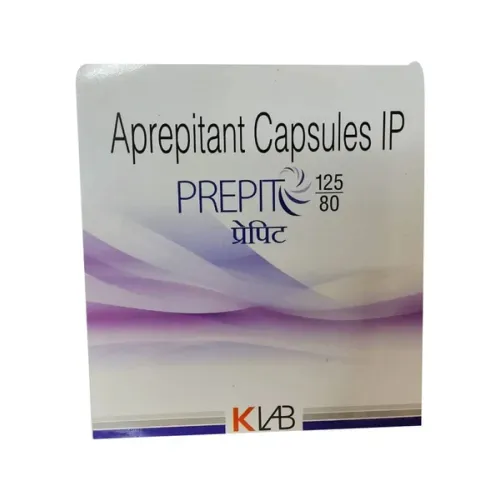
Aprepet-Z Combi Pack Capsules contain Aprepitant, a Neurokinin-1 (NK1) receptor antagonist used to prevent nausea and vomiting caused by cancer chemotherapy (CINV). It is prescribed as part of a combination antiemetic regimen along with a 5-HT3 receptor antagonist (such as ondansetron) and dexamethasone to provide effective protection against both acute and delayed chemotherapy-induced nausea and vomiting. The standard combi pack contains one 125 mg capsule (Day 1) and two 80 mg capsules (Days 2 and 3). Key Benefits Helps prevent chemotherapy-induced nausea and vomiting (CINV) Controls both acute and delayed nausea after chemotherapy Improves patient comfort and adherence to cancer treatment Used with other antiemetic medicines for enhanced effectiveness Convenient 3-day dosing schedule Composition Day 1: Aprepitant 125 mg Capsule Day 2: Aprepitant 80 mg Capsule Day 3: Aprepitant 80 mg Capsule Indications Prevention of nausea and vomiting associated with highly emetogenic chemotherapy (HEC) Prevention of nausea and vomiting associated with moderately emetogenic chemotherapy (MEC) In some cases, aprepitant is also used to help prevent postoperative nausea and vomiting in adults. How It Works Aprepitant blocks Neurokinin-1 (NK1) receptors in the brain, preventing the action of substance P, a chemical involved in triggering nausea and vomiting. When combined with other antiemetic medicines, it provides comprehensive protection throughout the chemotherapy cycle. Dosage Take the capsules exactly as prescribed by your oncologist: Day 1: One 125 mg capsule approximately 1 hour before chemotherapy Days 2 & 3: One 80 mg capsule each morning The capsules may be taken with or without food and should be swallowed whole. Possible Side Effects Common side effects may include: Headache Constipation Fatigue Hiccups Loss of appetite Indigestion Mild elevation of liver enzymes Seek medical attention if you experience signs of an allergic reaction or severe side effects. Precautions Use only under the supervision of an oncologist. Inform your doctor about all medicines you are taking, as aprepitant has significant drug interactions (especially with CYP3A4-metabolized medicines). Women using hormonal contraceptives should use an additional non-hormonal contraceptive method during treatment and for one month after the last dose. Tell your healthcare provider if you have liver disease, are pregnant, or are breastfeeding

68179d65be22ee500d53ff54 Card 2

product image
Zuvius Life Sciences

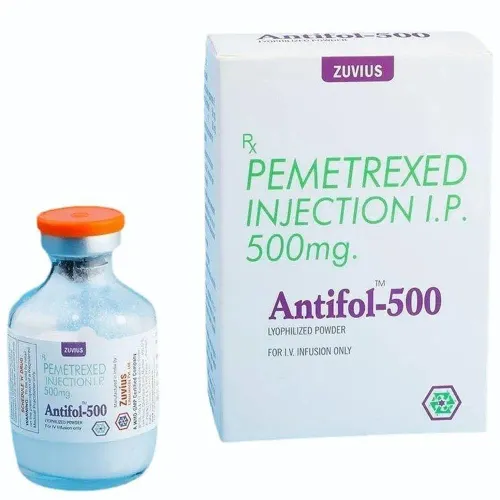
Antifol (Pemetrexed Injection) is a prescription chemotherapy medicine containing Pemetrexed, an antifolate antineoplastic agent used to treat specific types of cancer. It works by blocking enzymes that cancer cells need to produce DNA and RNA, slowing or stopping the growth of rapidly dividing cancer cells. Pemetrexed is commonly used alone or in combination with other anticancer medicines depending on the type and stage of cancer. Uses of Antifol (Pemetrexed Injection) Non-squamous Non-Small Cell Lung Cancer (NSCLC) Malignant Pleural Mesothelioma Maintenance treatment for advanced NSCLC after initial chemotherapy Advanced or metastatic lung cancer in combination with platinum-based chemotherapy and other approved therapies, as recommended by an oncologist. How It Works Pemetrexed inhibits multiple folate-dependent enzymes involved in DNA and RNA synthesis. This prevents cancer cells from growing and multiplying, leading to their destruction while helping to slow disease progression. Administration Given as an intravenous (IV) infusion by a qualified healthcare professional. Treatment is usually administered in 21-day cycles, depending on the patient's condition and treatment plan. Patients are typically prescribed folic acid, vitamin B12, and dexamethasone to reduce the risk of treatment-related side effects. Possible Side Effects Common side effects may include: Fatigue Nausea and vomiting Loss of appetite Mouth sores Low white blood cell count (neutropenia) Anemia Low platelet count Skin rash Increased risk of infection Seek immediate medical attention if severe fever, unusual bleeding, difficulty breathing, or allergic reactions occur. Precautions Use only under the supervision of an experienced oncologist. Regular blood tests and kidney function monitoring are required during treatment. Inform your healthcare provider about all medications and existing medical conditions before starting therapy. Avoid pregnancy during treatment and follow your doctor's advice regarding contraception. Patients with significant kidney impairment may not be suitable candidates for treatment.

68179d65be22ee500d53ff54 Card 2

product image
Zuvius Life Sciences

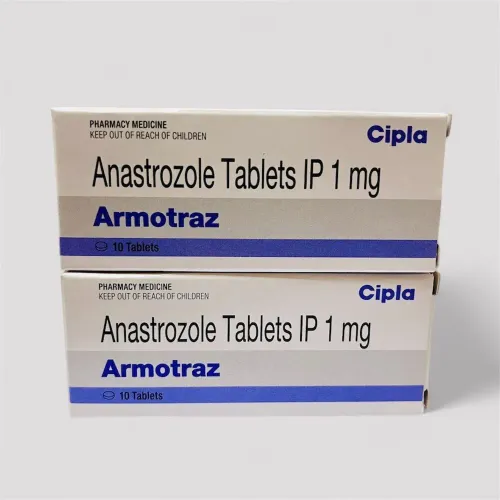
Anastroz Tab 1 mg contains Anastrozole 1 mg, a prescription aromatase inhibitor primarily used for the treatment of hormone receptor-positive breast cancer in postmenopausal women. It works by reducing the production of estrogen in the body, helping slow or stop the growth of estrogen-dependent breast cancer cells. Anastrozole is commonly prescribed as adjuvant therapy after surgery or as a first-line treatment for advanced or metastatic breast cancer. Key Benefits Helps reduce estrogen levels in postmenopausal women. Used to treat early-stage and advanced hormone receptor-positive breast cancer. May reduce the risk of breast cancer recurrence after surgery. Can be used as first-line therapy for metastatic breast cancer. Convenient once-daily oral tablet dosage. How It Works Anastrozole belongs to the aromatase inhibitor class of medicines. It blocks the aromatase enzyme responsible for converting androgens into estrogen. Lower estrogen levels help prevent the growth and spread of hormone-sensitive breast cancer cells. Dosage & Administration Usual adult dose: 1 mg tablet once daily, or as directed by an oncologist. May be taken with or without food. Swallow the tablet whole with water. Continue treatment for the duration prescribed by your healthcare provider. Possible Side Effects Common side effects may include: Hot flashes Joint or muscle pain Weakness or fatigue Nausea Headache Skin rash Reduced bone mineral density (osteoporosis) with long-term use Precautions For use only in postmenopausal women unless specifically prescribed. Not recommended during pregnancy or breastfeeding. Inform your doctor if you have osteoporosis, liver disease, or kidney disease. Regular monitoring of bone health may be recommended during long-term treatment. Use only under medical supervision.

68179d65be22ee500d53ff54 Card 2

product image
BDR Pharmaceuticals Internationals Pvt

Acantha Tab (Olaparib 20 mg) is an oral anti-cancer medicine containing Olaparib, a targeted therapy classified as a PARP (Poly ADP-Ribose Polymerase) inhibitor. It works by blocking PARP enzymes that cancer cells use to repair damaged DNA. By preventing DNA repair, Olaparib causes cancer cellsβ€”especially those with BRCA1, BRCA2, or other homologous recombination repair (HRR) gene mutationsβ€”to die while helping slow the growth and spread of the disease. This medicine is prescribed by oncologists for the treatment of selected ovarian, fallopian tube, primary peritoneal, breast, pancreatic, and prostate cancers, depending on the patient's genetic profile and treatment history. It may be used as maintenance therapy after chemotherapy or as treatment for advanced or recurrent cancers in eligible patients. Key Benefits Targeted PARP inhibitor therapy Helps slow cancer progression in eligible patients Effective in cancers with BRCA or HRR gene mutations Oral tablet for convenient administration May improve progression-free survival when used as prescribed How It Works Olaparib inhibits PARP enzymes responsible for repairing damaged DNA inside cancer cells. Cancer cells with defective BRCA or HRR genes cannot effectively repair DNA without PARP, leading to accumulation of DNA damage and eventual cancer cell death. Administration Take Acantha Tab (Olaparib 20 mg) exactly as prescribed by your oncologist. Swallow the tablet whole with water, with or without food. Do not crush, chew, or split the tablet unless specifically instructed by your healthcare provider. Possible Side Effects Common side effects may include: Nausea or vomiting Fatigue or weakness Anemia Decreased appetite Diarrhea Headache Low blood cell counts Seek immediate medical attention if you develop persistent fever, unusual bleeding, severe shortness of breath, or signs of infection. Precautions Use only under the supervision of a qualified oncologist. Regular blood tests are required during treatment. Avoid pregnancy during therapy and use effective contraception as advised. Inform your doctor about all medicines and supplements you are taking to reduce the risk of drug interactions. Avoid grapefruit and grapefruit juice during treatment, as they may increase Olaparib levels in the body.

68179d65be22ee500d53ff54 Card 2

product image
PARP inhibitors

Acantha Tab (Olaparib 20 mg) is an oral anti-cancer medicine containing Olaparib, a targeted therapy classified as a PARP (Poly ADP-Ribose Polymerase) inhibitor. It works by blocking PARP enzymes that cancer cells use to repair damaged DNA. By preventing DNA repair, Olaparib causes cancer cellsβ€”especially those with BRCA1, BRCA2, or other homologous recombination repair (HRR) gene mutationsβ€”to die while helping slow the growth and spread of the disease. This medicine is prescribed by oncologists for the treatment of selected ovarian, fallopian tube, primary peritoneal, breast, pancreatic, and prostate cancers, depending on the patient's genetic profile and treatment history. It may be used as maintenance therapy after chemotherapy or as treatment for advanced or recurrent cancers in eligible patients. Key Benefits Targeted PARP inhibitor therapy Helps slow cancer progression in eligible patients Effective in cancers with BRCA or HRR gene mutations Oral tablet for convenient administration May improve progression-free survival when used as prescribed How It Works Olaparib inhibits PARP enzymes responsible for repairing damaged DNA inside cancer cells. Cancer cells with defective BRCA or HRR genes cannot effectively repair DNA without PARP, leading to accumulation of DNA damage and eventual cancer cell death. Administration Take Acantha Tab (Olaparib 20 mg) exactly as prescribed by your oncologist. Swallow the tablet whole with water, with or without food. Do not crush, chew, or split the tablet unless specifically instructed by your healthcare provider. Possible Side Effects Common side effects may include: Nausea or vomiting Fatigue or weakness Anemia Decreased appetite Diarrhea Headache Low blood cell counts Seek immediate medical attention if you develop persistent fever, unusual bleeding, severe shortness of breath, or signs of infection. Precautions Use only under the supervision of a qualified oncologist. Regular blood tests are required during treatment. Avoid pregnancy during therapy and use effective contraception as advised. Inform your doctor about all medicines and supplements you are taking to reduce the risk of drug interactions. Avoid grapefruit and grapefruit juice during treatment, as they may increase Olaparib levels in the body.

68179d65be22ee500d53ff54 Card 2

product image
Zuvius Life Sciences

Acalataz Capsules 100 mg contain Acalabrutinib 100 mg, a targeted anticancer medicine used for the treatment of specific B-cell blood cancers. It belongs to a class of medicines known as Bruton's Tyrosine Kinase (BTK) inhibitors, which work by blocking the BTK protein responsible for the growth and survival of abnormal B-cells. This action helps slow or stop the progression of certain blood cancers. Key Benefits Targeted therapy for B-cell malignancies Helps slow cancer cell growth and spread May improve progression-free survival in eligible patients Oral capsule for convenient at-home treatment under specialist supervision Indications Acalataz (Acalabrutinib) 100 mg is prescribed for adults with: Chronic Lymphocytic Leukemia (CLL) Small Lymphocytic Lymphoma (SLL) Mantle Cell Lymphoma (MCL), in appropriate treatment settings as determined by the treating oncologist. How It Works Acalabrutinib selectively inhibits Bruton's Tyrosine Kinase (BTK), an enzyme involved in B-cell receptor signaling. Blocking BTK prevents cancerous B-cells from receiving growth and survival signals, reducing their multiplication and promoting cancer control. Dosage Strength: 100 mg Dosage should be taken exactly as prescribed by an oncologist. Swallow the capsule whole with water. It may be taken with or without food. Do not crush, chew, or open the capsule. Possible Side Effects Some patients may experience: Headache Fatigue Diarrhea Muscle or joint pain Bruising or bleeding Upper respiratory tract infections Low blood cell counts Seek immediate medical attention if severe bleeding, persistent fever, irregular heartbeat, or signs of infection occur. Precautions Use only under the supervision of a qualified oncologist. Inform your doctor about all medicines you are taking, especially blood thinners and CYP3A-interacting drugs. Regular blood tests may be required during treatment. Avoid use during pregnancy unless specifically advised by your healthcare provider. Breastfeeding is generally not recommended during treatment

Phone Number

+918265041513

Email Address unnatipharmax@gmail.com

Mon-Thu: 10 AM - 2 PM • Fri: 3 PM - 7AM

Other Website Visit our other website
Address Singapore

Singapore, Singapore, 1