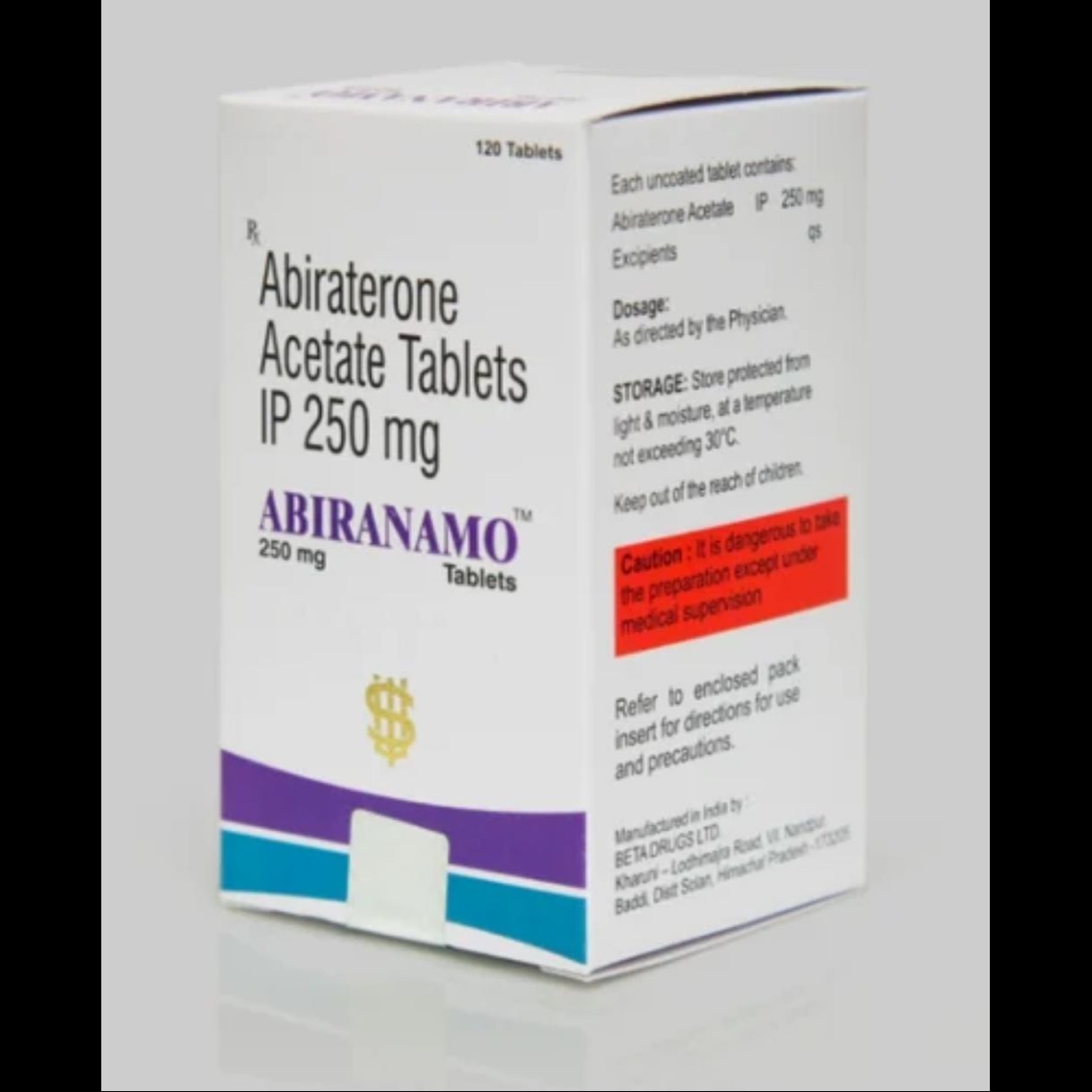
Across the Philippines, South Africa, Australia, and Singapore, Unnati Pharmax's complete anti-cancer range makes precision oncology accessible — providing WHO-GMP certified generic versions of the world's most essential blood cancer and oncology medicines at prices that reflect manufacturing cost rather than brand premium.
For Filipino cancer patients in Manila, Cebu, and Davao — where a month of branded myeloma treatment can consume a middle-class family's annual income — generic Bortenat, Lenalid, and Abiranamo from Unnati Pharmax represent the difference between treatment and abandonment. For South African private oncology — where medical aid scheme sustainability depends on controlling drug costs — our generic range provides the same clinical outcomes at sustainable pricing. For Australian and Singaporean patients managing costs beyond PBS or MOH subsidy coverage, our direct-to-patient international supply provides quality-assured access at dramatically reduced out-of-pocket cost.
Visit unnatipharmax.com | 📱 +91 82650 41513 | 📧 Unnatipharmax@gmail.com
❓ FAQ 1: What is the fastest growing cancer type in the Philippines and how does Unnati Pharmax's range address it?
The Philippines Cancer Society reports breast, lung, colorectal, cervical, and liver cancers as the most prevalent, while haematological malignancies — including CML, myeloma, and leukaemia — represent significant disease burdens with devastating treatment cost implications. CML is particularly significant because Imatinib (Imatib 400mg) can convert a previously rapidly fatal leukaemia into a chronic, manageable condition — but only if patients can afford sustained daily therapy. Brand Gleevec/Glivec in Philippine private hospitals costs USD 2,000-3,000 per month — completely unsustainable for most Filipino families. Generic Imatib from Unnati Pharmax reduces this to a fraction of that cost, making genuinely life-saving CML management sustainable for Filipino patients who might otherwise discontinue treatment due to cost, allowing their leukaemia to progress to blast crisis. This is the real-world clinical impact of affordable generic oncology access in the Philippines.FAQ 2: How do South African oncologists practically incorporate generic Bortenat into their myeloma treatment protocols?South African private oncologists incorporating generic Bortenat (Bortezomib) into myeloma protocols follow a pragmatic approach to quality assurance and regulatory compliance. Before using generic Bortenat, physicians typically request: WHO-GMP certificate for the manufacturing facility, certificate of analysis for the specific batch, and bioequivalence documentation. Oncology pharmacists review these documents against SAHPRA quality standards. For individual patient use, Section 21 (unregistered medicine) authorisation from SAHPRA provides the regulatory framework — South African oncologists are experienced with Section 21 applications for imported medicines not registered in South Africa. Administratively, generic Bortenat is used at the same dose and schedule as brand Velcade (standard Bortezomib protocols), administered by the oncology nursing team. Medical aid billing uses the same ICD-10 coding as brand Velcade, with documentation of generic use for compliance purposes. This established pathway makes generic Bortenat integration into South African myeloma programmes operationally straightforward for experienced oncology teams. FAQ 3: What is the Singapore Ministry of Health's position on generic oncology medicines and how does this affect access?Singapore's Health Sciences Authority (HSA) regulates pharmaceutical product registration — registered generic medicines undergo bioequivalence assessment and must meet the same quality standards as originator products. HSA has approved several generic oncology medicines including Imatinib generics for CML. For personally imported unregistered generics — which describes most of Unnati Pharmax's product range from Singapore's perspective — Singapore's Personal Importation Guidelines allow import of personal medical supplies (up to 3 months' supply) with a valid overseas prescription. Singapore patients are legally accessing unregistered medicines under personal importation, not circumventing regulation — the same approach used for many specialty medications not registered in Singapore. Singapore's generally sophisticated, healthcare-literate population — and its oncology community's awareness of international generic medicine quality standards — facilitates informed, appropriate use of WHO-GMP certified generic oncology medicines from trusted international suppliers. FAQ 4: What are the most common questions Australian oncology patients ask about switching from brand to generic oncology medicines?Australian oncology patients considering generic oncology medicines from Unnati Pharmax most frequently ask: "Is it the same drug?" — yes, same active ingredient, same dose, same molecular compound. "Is it safe?" — WHO-GMP certification provides the quality assurance that Australian TGA-listed products carry; the manufacturing standards are equivalent even if the specific product isn't TGA-registered. "Will my oncologist accept it?" — most Australian oncologists support generic use when quality documentation is provided; we recommend open communication with your oncologist and showing them our WHO-GMP certificates and COA. "Can I mix generic and brand in the same treatment cycle?" — technically yes, as the active ingredient is identical, but consistency is preferable; switching entirely to generic is simpler than alternating. "What if there's a problem?" — contact Unnati Pharmax immediately via WhatsApp or email, and contact your oncologist for any clinical concerns; our supply includes batch traceability so any quality issues can be investigated. "Is it legal?" — personal importation of prescription medicines under TGA's Personal Importation Scheme with valid prescription is permitted in Australia.