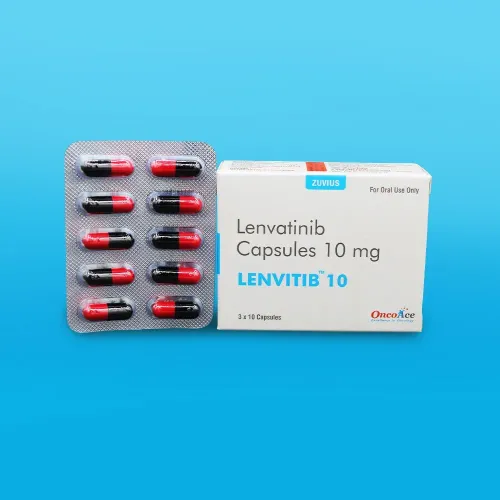
Lenvitib Cap contains Lenvatinib, an oral targeted anticancer medicine classified as a multi-kinase inhibitor (TKI). It works by blocking proteins that promote tumor growth and the formation of new blood vessels (angiogenesis), helping to slow or stop the progression of certain cancers. Lenvitib Capsules are prescribed by oncologists for the treatment of selected advanced or metastatic cancers, either alone or in combination with other anticancer therapies. Key Benefits Helps slow the growth and spread of cancer cells. Inhibits blood vessel formation that supplies tumors. Oral capsule for convenient at-home treatment as prescribed. Used in multiple cancer types based on clinical guidelines. Can be used alone or in combination with immunotherapy or other anticancer medicines in appropriate patients. Indications Lenvitib (Lenvatinib) Capsules may be prescribed for: Differentiated thyroid cancer (DTC) that is radioactive iodine-refractory. Advanced renal cell carcinoma (kidney cancer), in combination with other medicines where indicated. Hepatocellular carcinoma (liver cancer). Advanced endometrial cancer in combination therapy, as recommended by the treating oncologist. Other approved oncology indications according to local prescribing guidelines. How It Works Lenvatinib blocks multiple receptor tyrosine kinases, including VEGFR, FGFR, PDGFR, RET, and KIT. By inhibiting these pathways, it reduces tumor blood supply and slows cancer cell growth and spread. Dosage & Administration Take exactly as prescribed by your oncologist. Swallow the capsule whole with water, with or without food. Take it at the same time each day. Do not change the dose or stop treatment without medical advice. If a dose is missed, follow your healthcare provider's instructions. Possible Side Effects Common side effects may include: High blood pressure Fatigue Diarrhea Decreased appetite Weight loss Nausea or vomiting Mouth sores Hand-foot syndrome Protein in urine Seek immediate medical attention if you experience severe bleeding, chest pain, severe headache, shortness of breath, or signs of liver or kidney problems.
Mexico
+918265041513
 Chat with us
 Chat with us